After the Storm: Caring for Damaged Trees & Shrubs
Summer thunderstorms roll through Central PA and leave torn limbs, split trunks, and stripped shrubs behind. Some of that damage heals on its own. Some of it opens the door to borers and disease. Here's how to tell them apart.
By Devon Alleman · PA-licensed pesticide applicator since 2005 · Updated July 25, 2026
PA Licensed Pesticide Applicator Since 20058 License CategoriesPlant Health CareFree Estimates — No Contracts
After a bad blow, the first instinct is to grab a saw and start cleaning up. That's right for safety — but for the health of the plant, how you cut matters as much as that you cut. A ragged storm wound is an open invitation to the insects and fungi that were already in your yard looking for a way in. This is the plant-health side of storm cleanup: keeping a damaged-but-living tree from becoming a dead one.
Safety first. Never go near a limb touching a power line, a tree leaning on a structure, or anything you'd need a chainsaw and a ladder to reach. That's work for a utility crew or an insured tree service with the right equipment. This article is about the plant-health steps after the hazards are handled.
Triage: Can This Tree Be Saved?
Walk the tree before you cut. A few quick questions decide whether it's worth keeping:
How much of the crown is gone? A tree that lost under about a third of its branches will usually recover. Lose more than half and it's fighting an uphill battle — it may survive but stay stressed and vulnerable for years.
Is the main trunk (the leader) split? A clean-broken side limb is fixable. A trunk that's split down into the main crotch is often a structural failure you can't undo — that tree may need to come out.
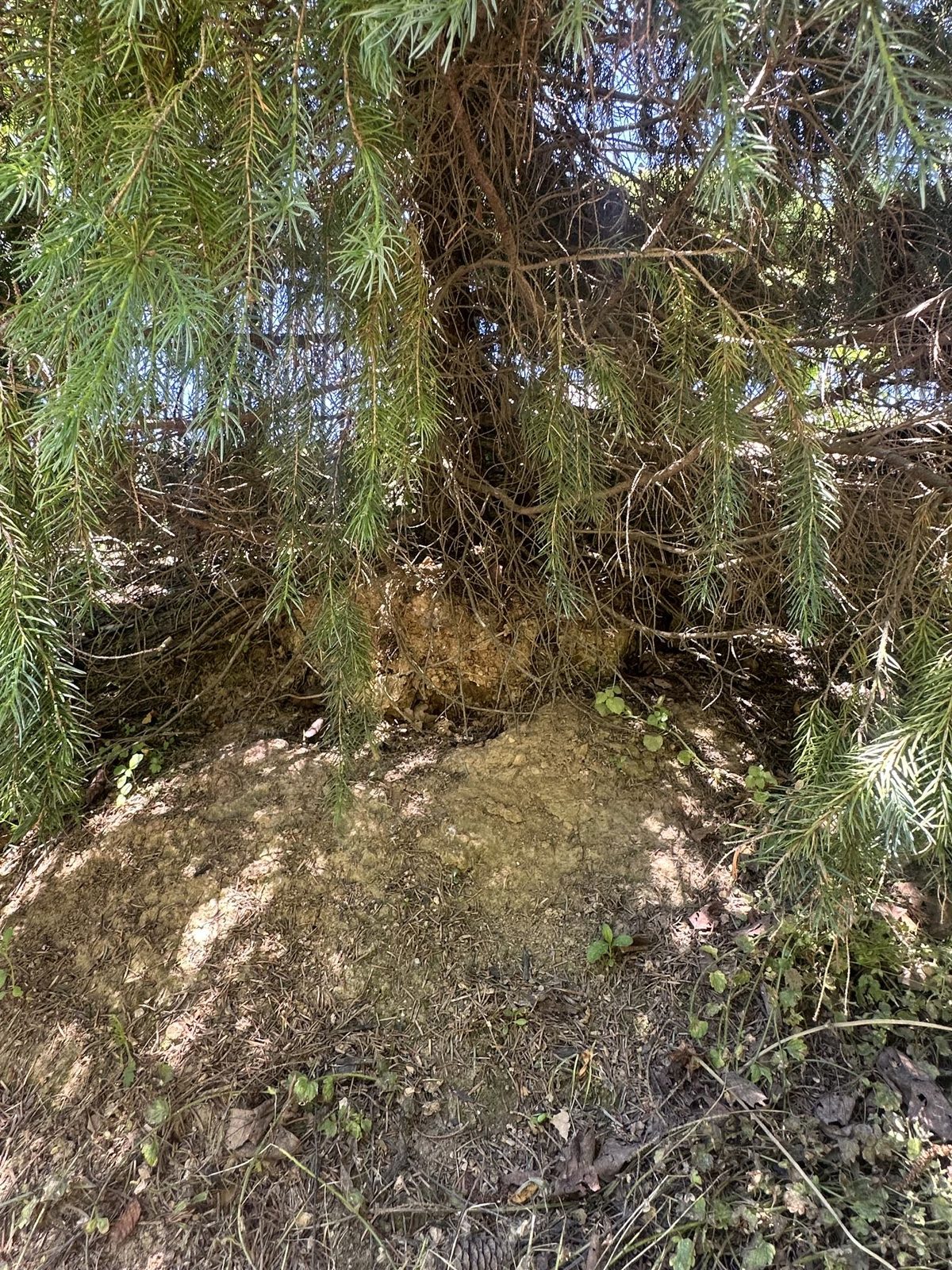
Is the tree leaning now when it wasn't before? A new lean with soil heaved up on one side means the root plate has lifted. On a large tree, that's usually the end of it.
What's left — is it lopsided? A tree can regrow a balanced crown or a hopelessly one-sided one. The second kind becomes the next storm's casualty.
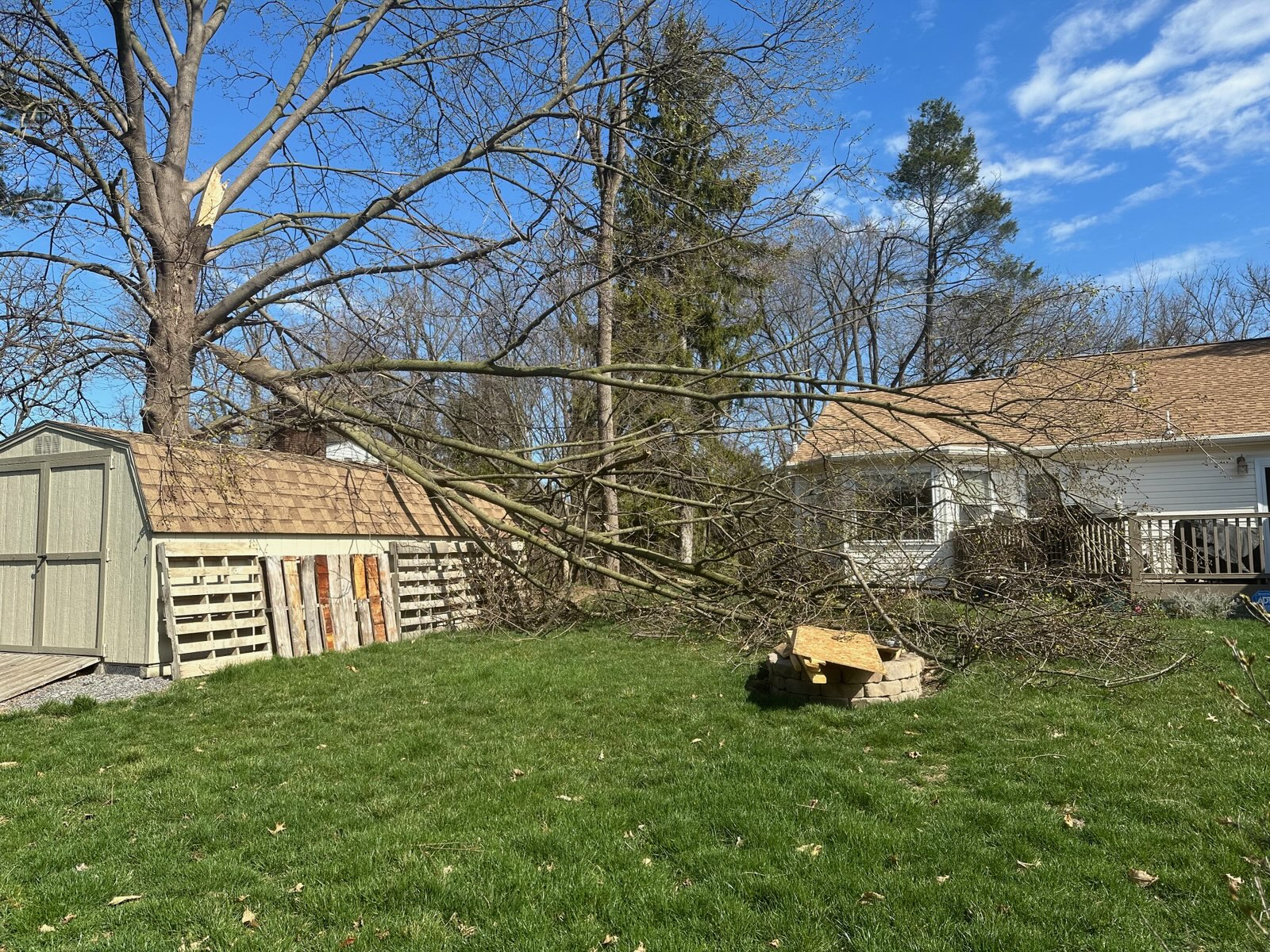
A tree brought down by a storm in a backyard.An eroding root ball on an evergreen.
Why Fresh Wounds Are a Pest & Disease Problem
This is the part homeowners miss. A torn branch stub or stripped bark isn't just ugly — it's a chemical signal. Wounded trees release volatile compounds that attract wood-boring beetles and clearwing moth borers, which lay eggs in stressed, injured wood. The larvae then tunnel under the bark and can finish off a tree the storm only wounded.
Open wounds are also the entry point for fungal cankers and rots. Certain trees are especially risky to prune in summer:
Oaks — fresh cuts in the growing season attract the beetles that spread oak wilt, a fatal disease. Avoid pruning oaks in summer unless storm damage forces your hand, and never leave a torn oak wound ragged.
Elms — same story with Dutch elm disease and its beetle vectors.
Fruit trees, birches, maples — prone to borers and disease that move into summer wounds.
A clean cut heals; a torn stub sits open and weeping for weeks. That's the difference that decides whether pests find your tree.
Doing the Cuts Right
Clean up torn stubs. Where a limb ripped off and left a jagged stub, cut it back to just outside the branch collar — the slightly swollen ring where the branch meets the trunk. That collar contains the tree's natural wound-sealing tissue. Cutting flush past it removes the tree's ability to close the wound; leaving a long stub gives rot a place to start.
Don't paint the wound. Wound dressings and tar were standard advice decades ago and are now known to trap moisture and slow healing. Leave a clean cut open to the air.
Don't over-prune. A storm-stressed tree needs its remaining leaves to feed itself and rebuild. Take out the broken and hanging wood; leave everything healthy, even if the shape is temporarily off.
Sanitize between trees. If you're moving from a diseased-looking tree to a healthy one, wipe your blades — you can carry a canker from one to the next.
Storm-Battered Shrubs
Shrubs are more forgiving. Stripped leaves, snapped branches, and hail-shredded foliage on established shrubs usually recover with a season's growth. Prune broken branches back to a healthy junction, water deeply to reduce the compounded stress (storm damage plus summer drought is a hard combination — see dead or dormant for the watering approach), and hold off on fertilizer until the plant is clearly recovering. Watch shredded shrubs for spider mites and aphids over the following weeks — stressed plants attract them, and a stressed landscape is a pest magnet generally.
The Weeks After: What to Watch For
Sawdust or fine frass at the base of the trunk or piled in bark crevices — a sign borers have moved into the wounds.
Sudden wilting or dieback on a branch that survived the storm — often the first sign of disease entering through a wound.
Sap weeping, oozing, or dark staining around a wound weeks later, rather than the wound drying and callusing over.
Sprouting suckers at the base or along the trunk — a stress response worth watching (and, on grafted trees, a separate problem — see rootstock suckers).
When to Call Us
We're not a tree-removal company — but we are the people to call when you want to know whether a wounded tree is worth saving, and how to protect it from the borers and disease that follow storm damage. Send photos of the damage to 717-379-3248 and we'll tell you what's salvageable, whether the species is at real risk from summer wounds, and whether a protective plant-health treatment makes sense. If it's genuinely a hazard tree, we'll tell you that too, and point you to the right kind of crew.