
Some ponds are past treating. A decade of neglect, a foot of black muck on the bottom, weeds wall to wall, and water you wouldn't let a dog into. If someone's told you to dredge it or just fill it in, get a second opinion first — most of these come back. It takes more than one season, and anybody promising otherwise is guessing with your money.
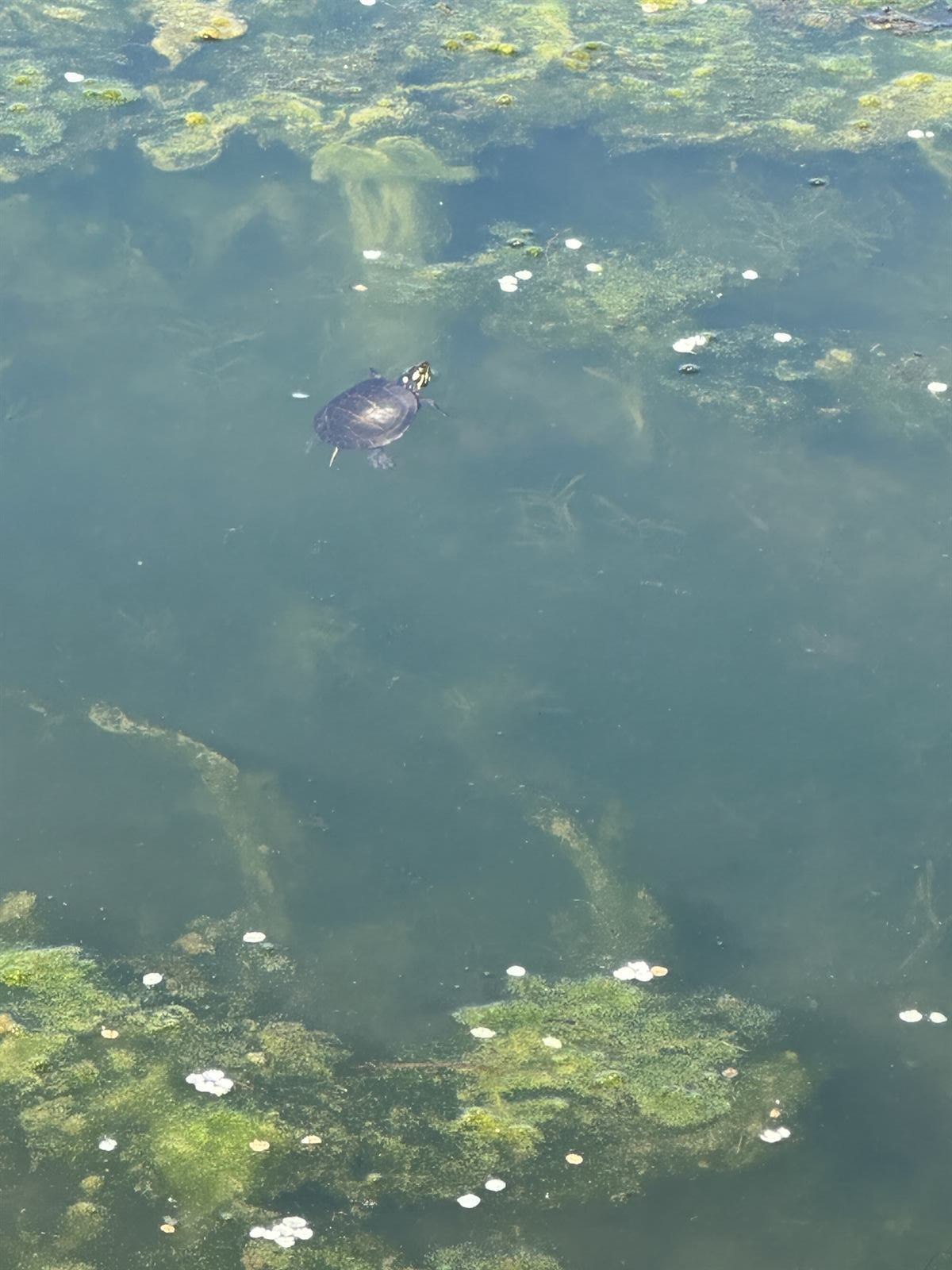
Free Assessment — Call or Text 717-379-3248Plenty of companies will nuke a pond crystal-clear and call it restored. We don't. A healthy pond has controlled plant life — typically 10–20% coverage — because that's what feeds and shelters the fish, frogs, dragonflies, and turtles that make a pond worth having. The goal is a pond in balance: clear enough to swim, alive enough to fish, stable enough that it doesn't collapse back into soup the moment you stop paying for treatments.
Depth, muck load, weed species and coverage, inflows and nutrient sources, fish population. Some ponds need two seasons; some need three; a few need dredging conversations we'll have straight with you. The plan comes with a real timeline, not a fantasy.
Choked ponds can't be cleared in one pass — decomposing vegetation strips oxygen and kills whatever fish survived the neglect. We knock the pond back in sections across the season, protecting the life we're trying to restore. Details on our weed and algae pages.
That black mattress on the bottom is decades of leaves, dead algae, and runoff — and it's fertilizer for everything you're fighting. Beneficial-bacteria programs digest organic muck biologically, season over season, shrinking the nutrient bank that drives the blooms.
Buffer plantings, fertilizer habits upslope, goose pressure, inflow issues — we identify what's feeding the pond and give you the practical shortlist. Restoration without nutrient control is a subscription, not a fix.
Year one is rescue, year two is recovery, year three is a light-touch maintenance schedule — a fraction of the effort, because the pond is finally working with you instead of against you.
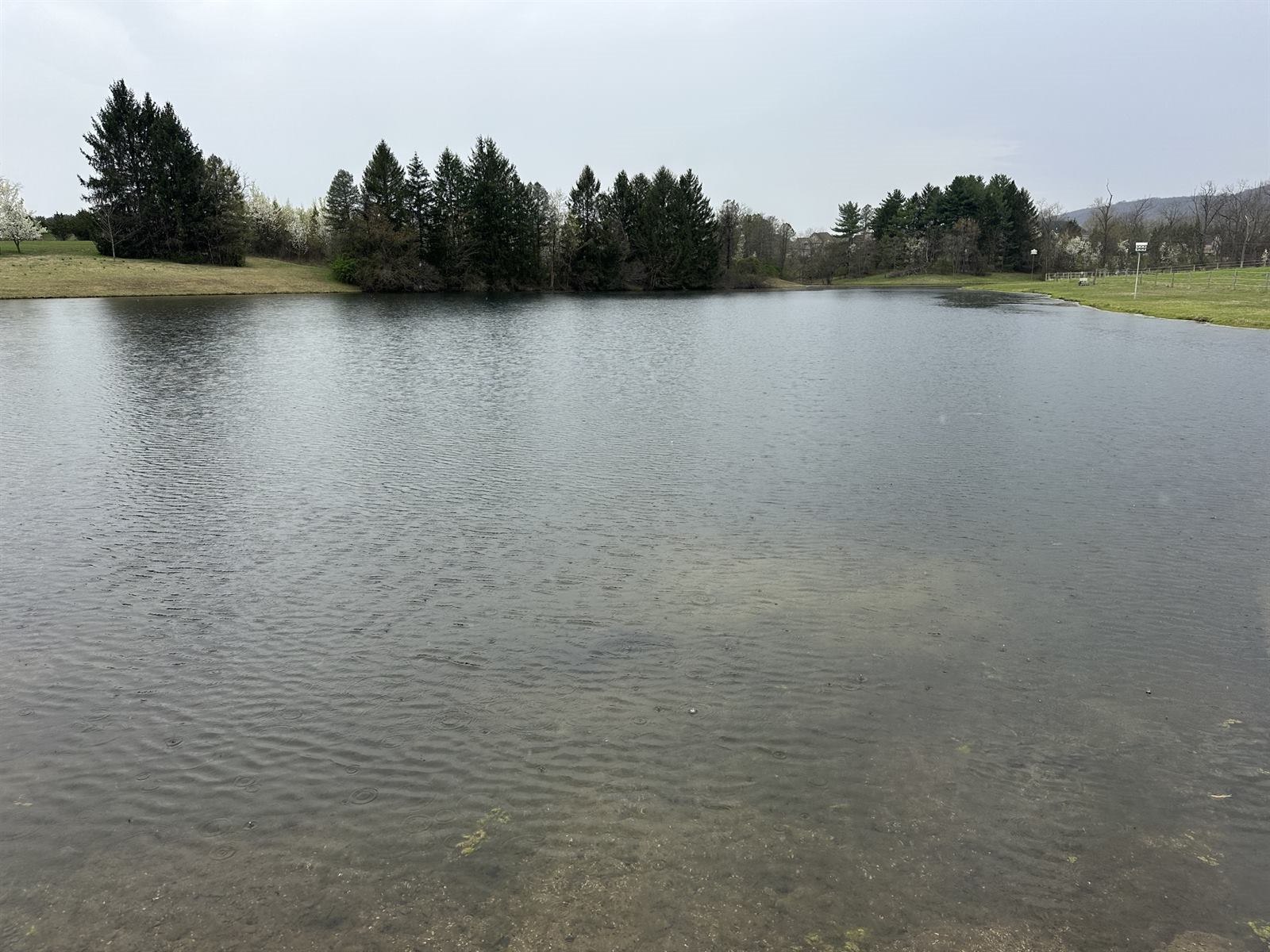
We restore ponds across Dauphin, Cumberland, Lebanon, Perry, York, and Lancaster Counties — including:
Harrisburg, Paxtang, Penbrook, Steelton, Highspire, Middletown, Hummelstown, Hershey, Palmyra, Annville, Cleona, Lebanon, Grantville, Linglestown, Colonial Park, Susquehanna Township, Lower Paxton, Camp Hill, Mechanicsburg, Lemoyne, New Cumberland, Wormleysburg, Enola, Marysville, Halifax, Millersburg, Elizabethtown, Mount Joy, Mount Wolf, Manchester, Dillsburg, Carlisle, Boiling Springs, and surrounding Central PA communities.
Free on-site assessments across Harrisburg and Central PA. Straight answers about what it takes.
Call or Text 717-379-3248