You worked those hives all year. Then February comes, you crack the lid, and it's a cluster of dead bees sitting on plenty of honey — and nobody can tell you exactly why. It's almost always varroa, and it almost always traces back to a count nobody took in August. If the mite math is the part of beekeeping you quietly dread, this service exists for you.
Free Estimate — Call or Text 717-379-3248Plenty of backyard beekeepers love their bees but dread the mite work — the counting, the product decisions, the timing around honey supers, the "did it even work?" question. Others travel, or keep a couple of hives on a property they don't visit weekly. That's who this service is for. And because we run our own colonies through the same Central PA seasons (The Alleman Apiary is our family's operation), the advice comes from hives we winter ourselves — not from a product brochure.
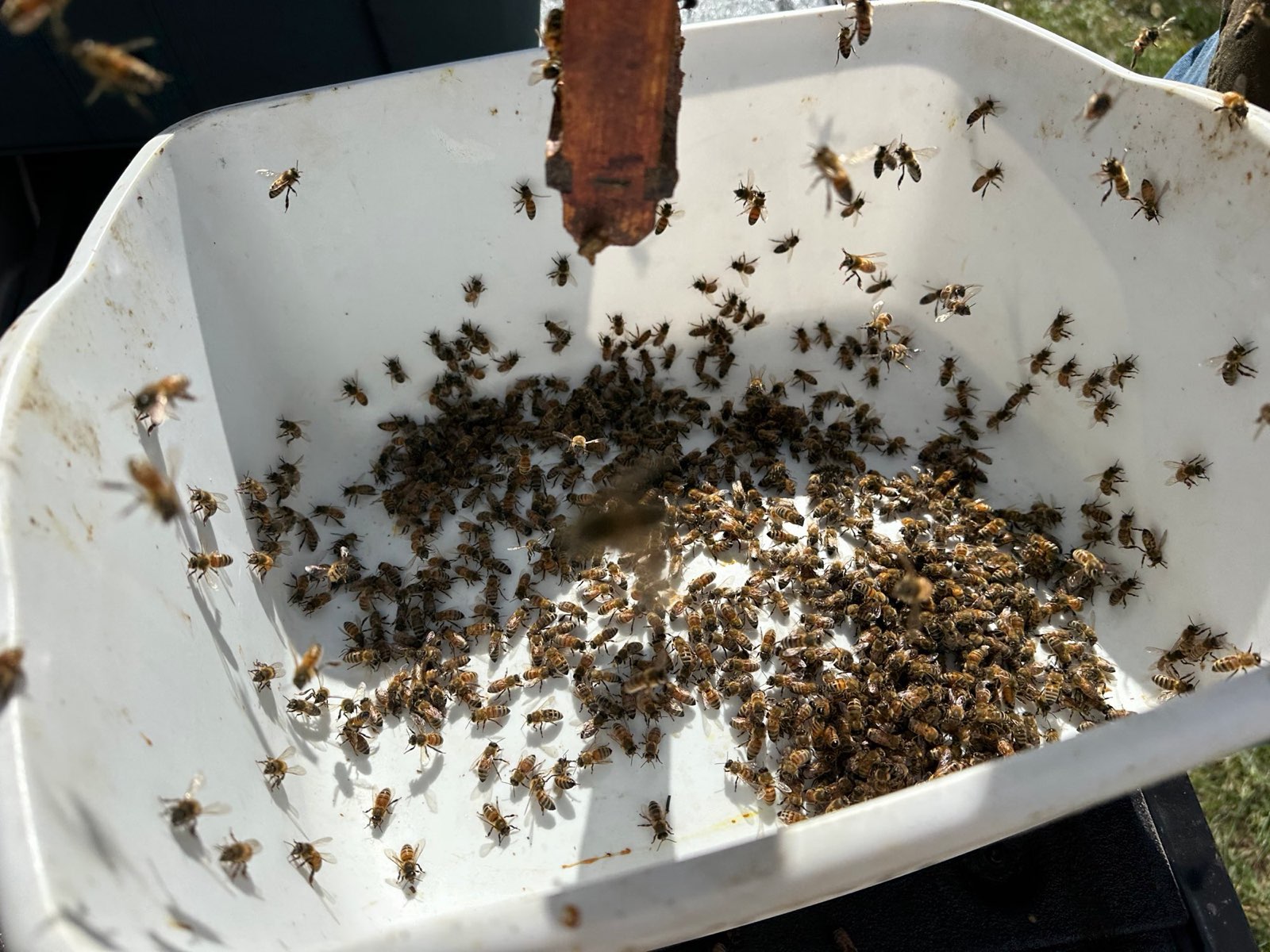
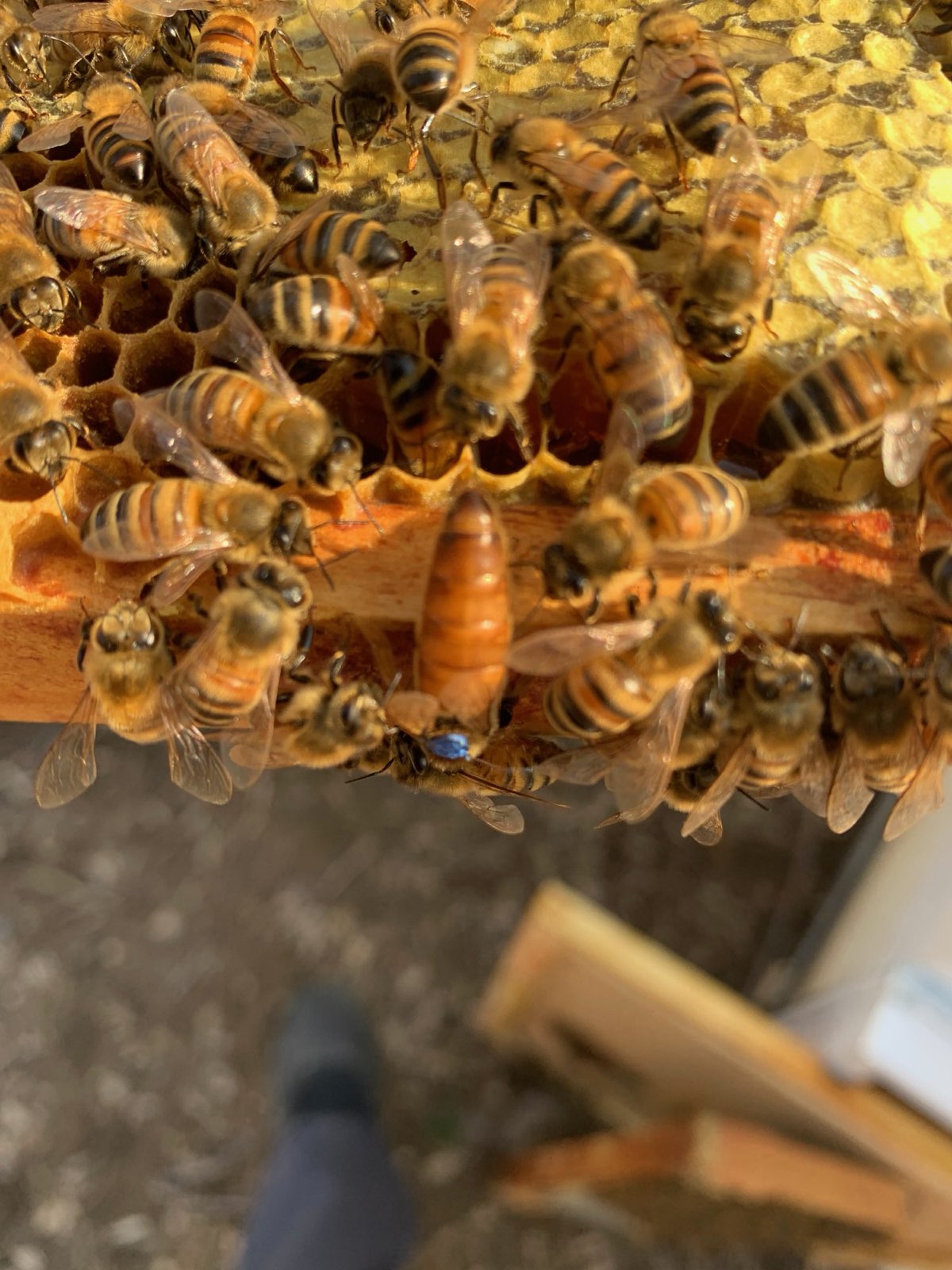
Alcohol-wash counts on a schedule — the accurate method, done right (300-bee sample from the brood nest, queen located first). You get the number per hive and what it means for the calendar. Curious about the method? Our apiary site explains exactly how an alcohol wash works.
No calendar spraying, no product-of-the-month. Counts get compared against seasonal action thresholds — tighter in late summer, when the count decides whether your winter bees are raised healthy — and treatment happens when the numbers say so.
The right product for the temperature, brood state, and honey-super situation, applied per label, with the timing details (dosing, spacing, duration) handled correctly. Chemistry gets rotated between treatments so resistance doesn't build in your apiary.
A follow-up count confirms the treatment actually worked — the step almost everyone skips, and the reason "I treated in September" colonies still die in January. A treatment without a recheck is a hope, not a plan.
While we're in the hives: small hive beetle pressure, wax moth, and brood-disease red flags (American and European foulbrood) get flagged early, when options are good.
Want to take this over eventually? The Alleman Apiary offers beekeeping mentorship where mite management is taught hands-on in your own hives. We're equally happy doing it for you or teaching you out of needing us.
We serve beekeepers in Dauphin, Cumberland, Lebanon, Perry, York, and Lancaster Counties — including:
Harrisburg, Paxtang, Penbrook, Steelton, Highspire, Middletown, Hummelstown, Hershey, Palmyra, Annville, Cleona, Lebanon, Grantville, Linglestown, Colonial Park, Susquehanna Township, Lower Paxton, Camp Hill, Mechanicsburg, Lemoyne, New Cumberland, Wormleysburg, Enola, Marysville, Halifax, Millersburg, Elizabethtown, Mount Joy, Mount Wolf, Manchester, Dillsburg, Carlisle, Boiling Springs, and surrounding Central PA communities.
Monitoring and treatment for hobby and sideline apiaries across Harrisburg and Central PA.
Call or Text 717-379-3248