
Every January the deer pressure hits and the privacy hedge you've watched grow for 5 years gets chewed bare from the ground up to 5 feet. Here's the timing that actually prevents that.
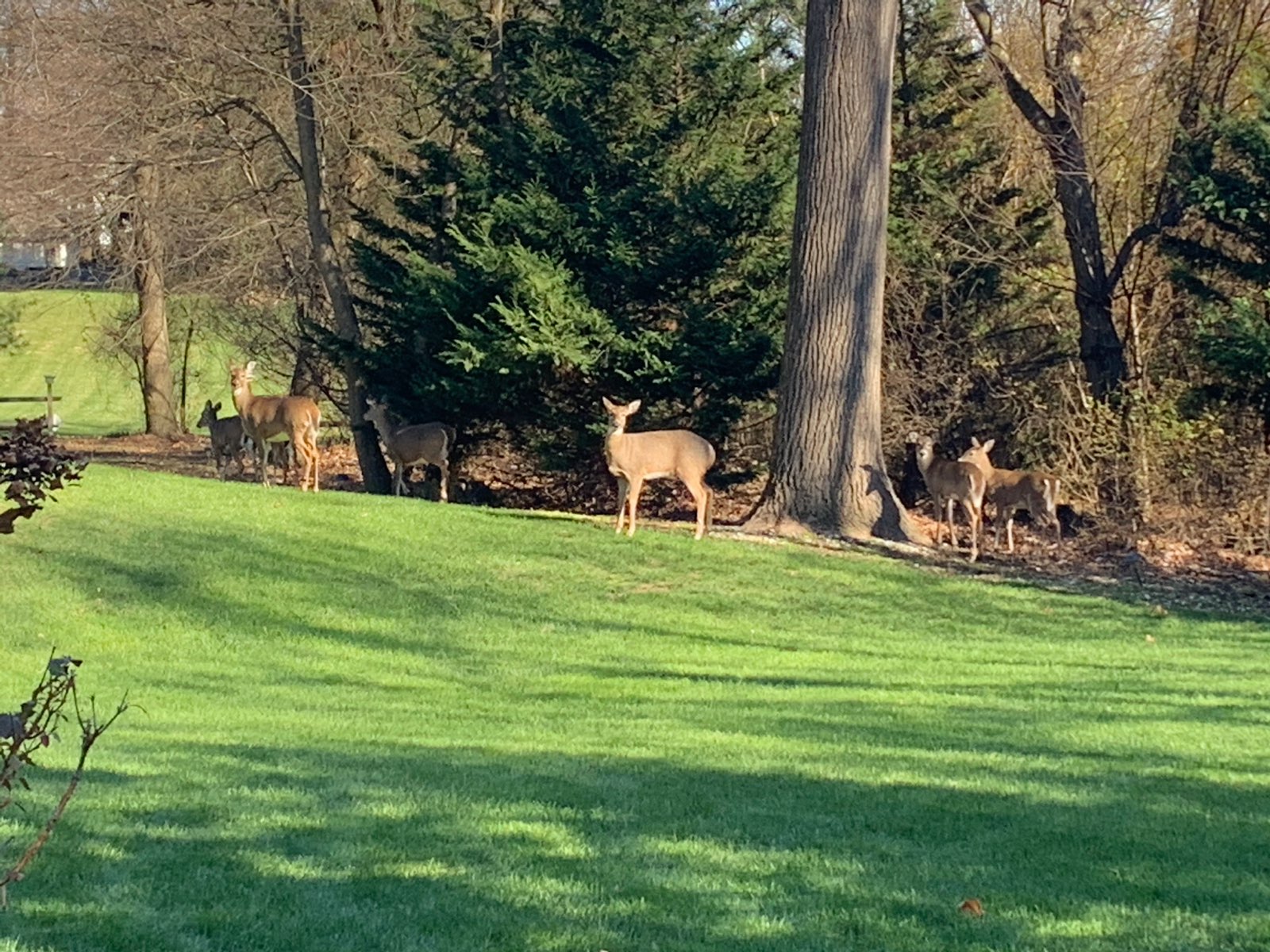
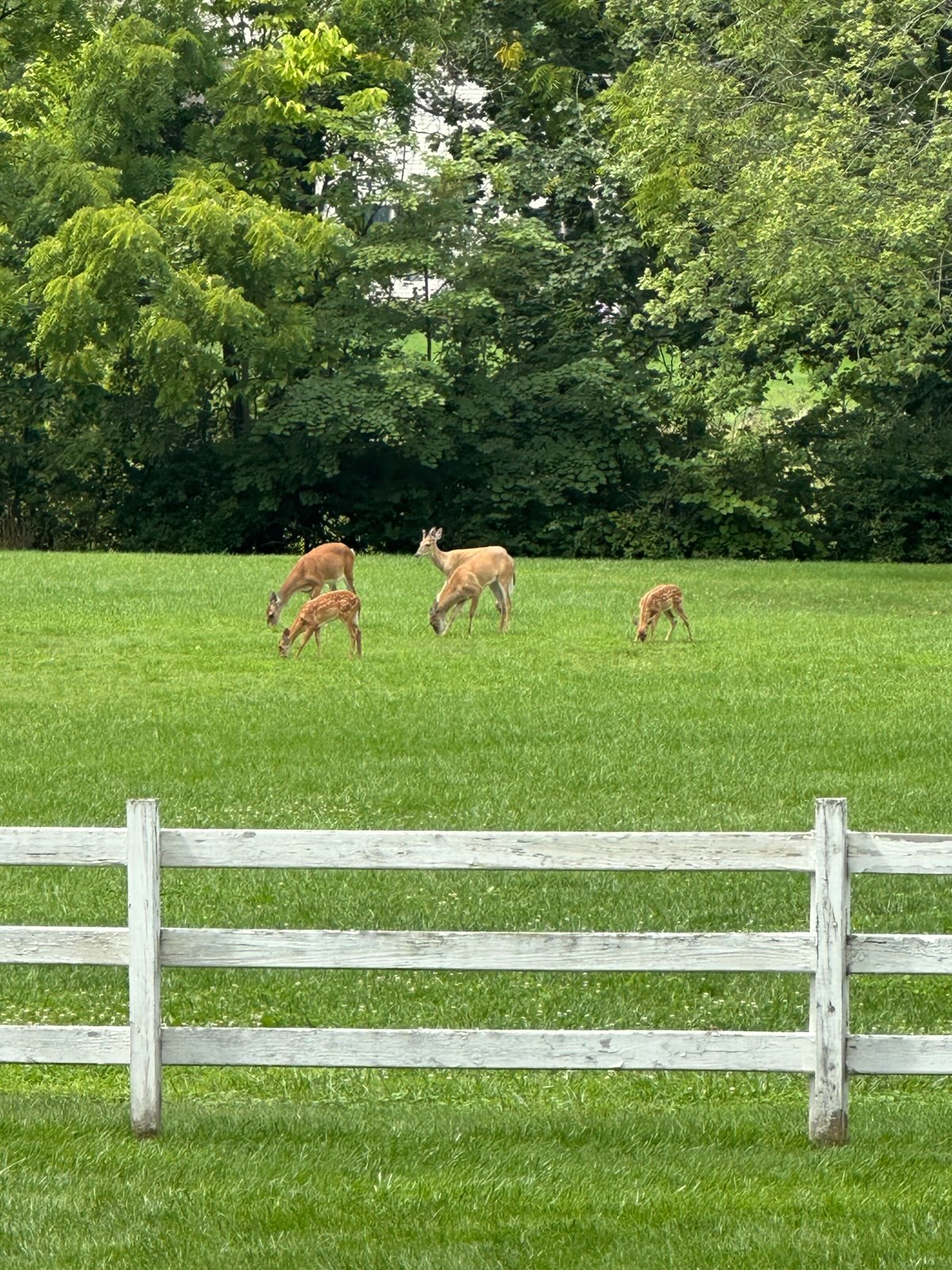
In Central PA, deer pressure on landscape plants peaks from mid-December through early March. The natural food they prefer — acorns, browse from woodlot edges, fallen apples — runs out. Snow cover makes ground forage even harder. By January the herd is in survival mode and an arborvitae hedge looks like an all-night diner.
The plants deer hit hardest in winter:
Plants deer mostly leave alone in winter: blue spruce, eastern red cedar, daffodils (in their bulb form), boxwood, and most ornamental grasses.
The standard tool is a contact and odor repellent — products with putrescent egg solids, garlic, or capsaicin. They work on two principles: deer don't like the smell, and if they bite, they don't like the taste. Done right, they cut browse damage by 80–90%.
This is where most homeowners go wrong. The first application has to go on before the deer start hitting the plants — once they've learned a plant is food, repellents work less well. The Central PA schedule:
Repellents work best when applied to dry foliage above freezing, then left to dry before rain or snow. We schedule applications around forecast windows — typically the day after a rain when temps are above 40°F. Snow itself doesn't wash off a dried repellent.
For valuable specimen plants or hedges where you've already lost a season, physical barriers add insurance:
For a typical Harrisburg-area residential property, repellent applications are far less work than netting or fencing and the cost is comparable.
Arborvitae and yew don't refoliate from old wood — what's gone is gone. The lower 4–5 feet of a browsed hedge will stay bare permanently unless replaced. Two options:
Yews can occasionally regrow from older wood if browse wasn't too severe. Cut back hard in spring and watch for new growth at the base of damaged areas.
If you've got a hedge or specimen evergreens you can't afford to lose this winter, get on the repellent calendar by late October. Call or text 717-379-3248 for a free walk-through. We'll identify which plants are at highest risk, recommend a repellent rotation, and time the applications for your property's specific pressure level.
Call or text 717-379-3248. Schedule your first repellent application before deer pressure starts.
Call or Text 717-379-3248